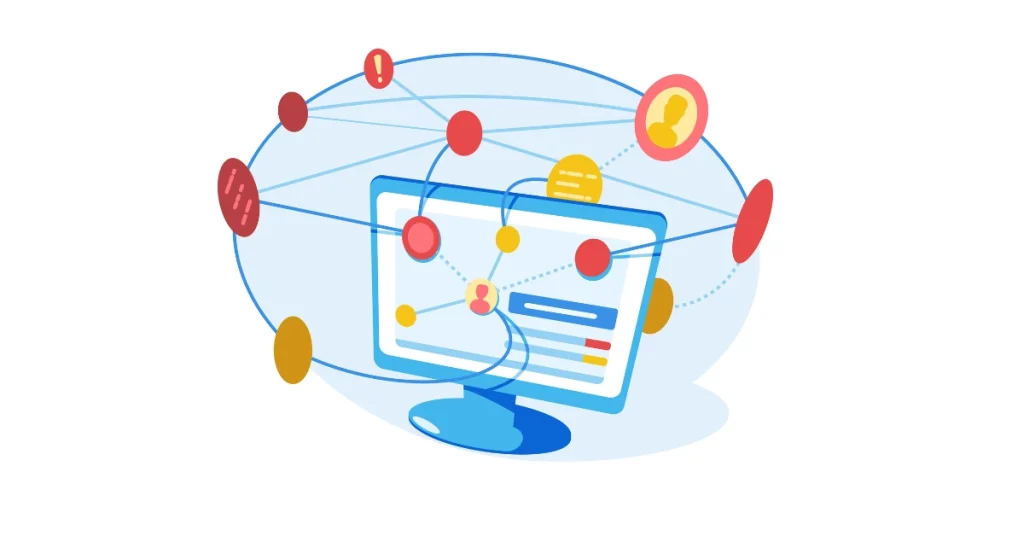

Telecom networks already have tons of data, and the reason they fail isn’t from a lack of such.
These networks fail because they still can’t act on that data fast enough. Data exists in endless amounts, but action is what lags. Many are at the end of their ropes, trying to figure out what the source of the delay is, and up to their necks in customer complaints.
Do you relate? Take a breath – let me take you through why these failures happen and what you can do to change that.
The myth: “More data means better networks”
Modern networks are absolutely saturated with telemetry.
The real problem is this:
Telemetry → dashboard → manual action
This model is too slow for modern networks. They just can’t keep up, and instead of trying to “monitor and track” every possible data metric, the simple solution is to introduce an automation system.
What real-time telecom network operations actually means
The term “real-time data streaming” describes the ongoing evaluation and interpretation of data as it is created every millisecond.
Instant detection is the capacity to recognise, evaluate, and react to trends, abnormalities, or particular occurrences in a continuous data stream as they happen.
Instead of waiting to gather data in batches, an immediate response is the ability to process, analyze, and take action on data as soon as it is generated and received.
Traditionally, you would rely on dashboards and then take it upon yourself to take action, as mentioned previously. However, a real-time approach would be better suited and look as such:
Data collection → automated system → event-driven operations.
Real-world impact of slow action
In many telecom environments, a congestion event in the transport network is detected in real time, but action still requires manual validation, cross-team coordination, and escalation. By the time the issue is addressed, customer impact has already occurred, even though the data was available from the start.
For example, an engineer will interpret the dashboard, escalate the issue, and align the relevant teams; however, the impact may already be there:
- Service degradation
- SLA breaches (a service level agreement breach occurs when performance expectations aren’t met)
- Customer impact
- Downtime in connected environments
By the time mitigation steps are executed, traffic rerouting and load balancing only stabilize the network after users have already experienced disruption.
Post-incident, the engineer is left with:
- A spike in support tickets and churn risk from high-value customers
- Revenue loss tied to SLA violations
- Internal strain from reactive firefighting instead of controlled resolution
The shift: From monitoring to event-driven operations
What many operators need now is not more visibility. They need the ability to turn:
Telemetry → signals → decisions → action
This is where we dive into the event-driven operations. This involves obtaining, interpreting, and making actionable decisions based on the data as it is generated, rather than doing it in batches.
Where AI fits (And where it fails)
Those that succeed will be those that move from visibility to real-time decision-making and ultimately to automated, event-driven operations.
But remember:
AI-driven network operations only become effective when models are fed with real-time data streams rather than delayed datasets. Delayed data will result in delayed decisions.
AI is not a clear-cut solution by itself. You need to combine speed with execution.
What needs to change
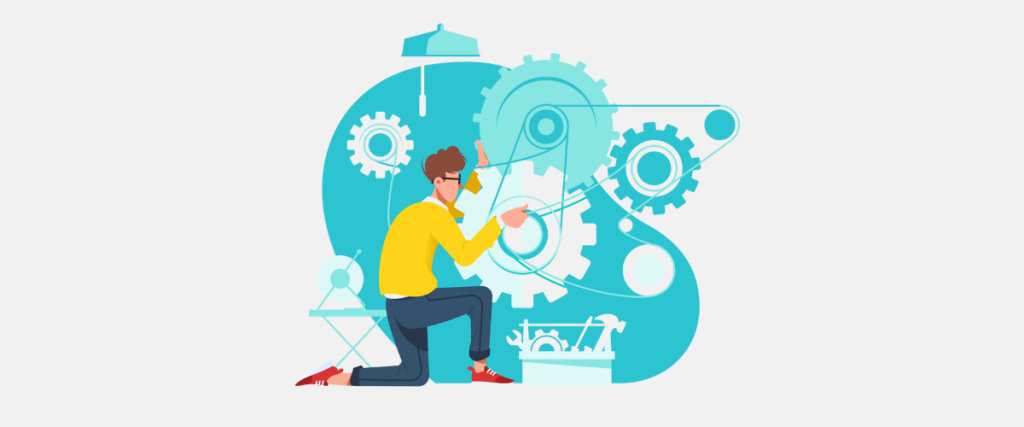
The shift requires more than just tooling. You need some of what we offer on top of that:
- Real-time data streaming
- Clear data governance
- Trusted KPIs
- Architectures built for action, not just reporting
And most of all, you need systems that reduce decision bottlenecks.
Faster decisions, stronger networks
Networks don’t fail because they’re blind. They fail because they’re slow. The ones who will come out on top are those who move from:
Simply seeing problems → solving them the fastest
And we could help you get there.
I recently wrote an article on this topic in more detail called “From Data to Downtime: Why Telecom Network Failures Persist in the Real-Time Era.”
I’m curious how others see this.
Where is the biggest gap today in your environment: capturing, interpreting, or acting on the data?